DL-019 ∞ PLAYTEST #1 DATE, SETTINGS, CITY SECURITY NETWORK
it’s blastin’ time
Hello friends,
I spent about 1.5 weeks this month traveling. Some of our family were very generous and took us on a vacation, and we also celebrated my partner completing their master’s program. I read Knights of Sidonia and Aposimz over the trip. It has been busy outside of working on INURBIS, but now all my big travel plans for the summer and fall are wrapped up and I’m looking forward to getting some focus time to prepare for the pre-alpha playtest, which will go live in December of this year. I don’t have the exact day figured out, and honestly I think it would be hard for me to nail that down, so I’m just not going to do it. And as a reminder, if you want to sign up you can on the main page of this website.
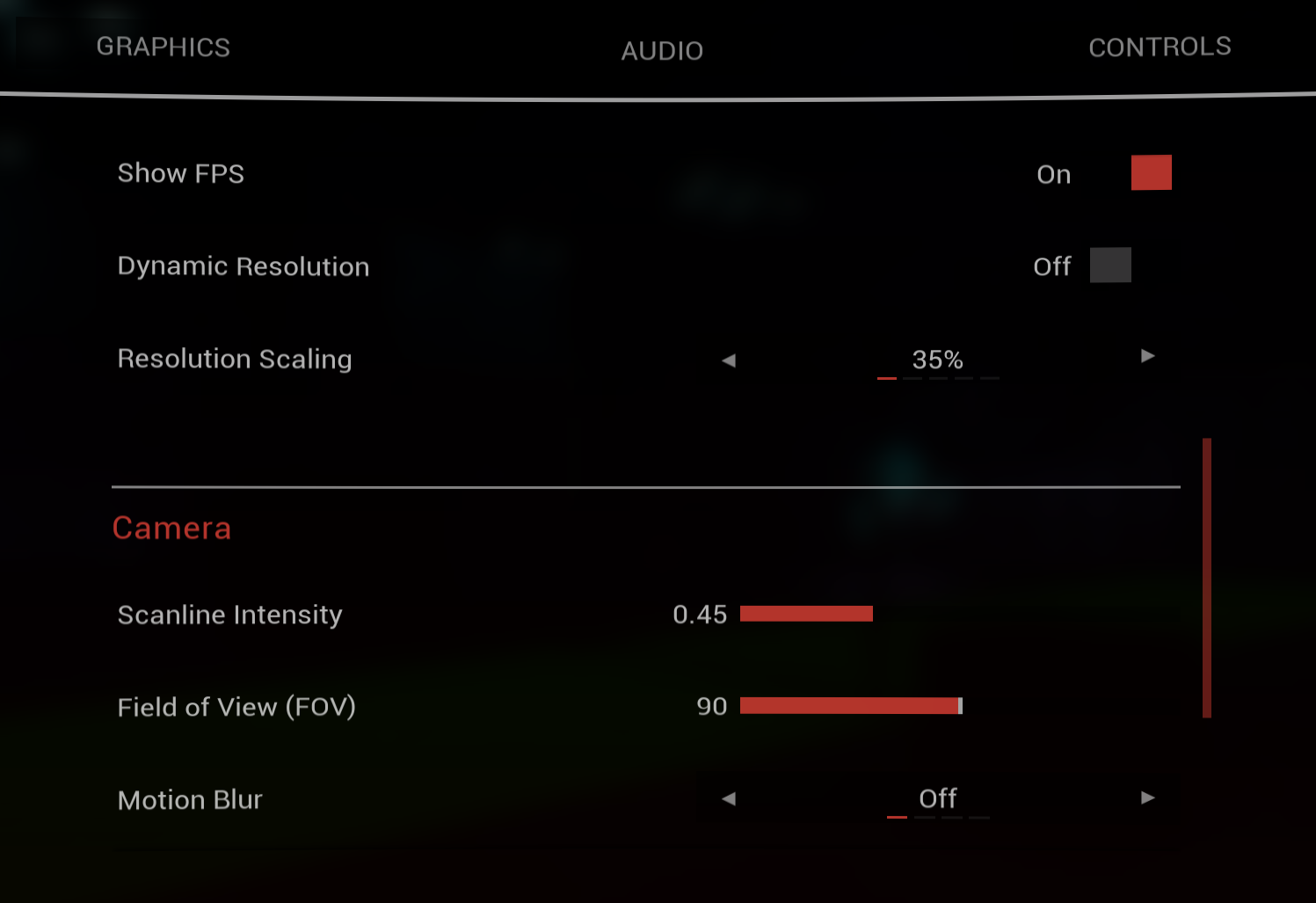
In other development news, I implemented a new settings system and several new graphics options, alongside doing a lot of optimization for Steam Deck. This implementation also laid the groundwork for rebind-able keyboard, mouse, and gamepad controls. Implementing this stuff is honestly very grindy, so I’m going to break it up over the next half of the year. I’d like to get gamepad fully up and running before the playtest, but no promises yet.
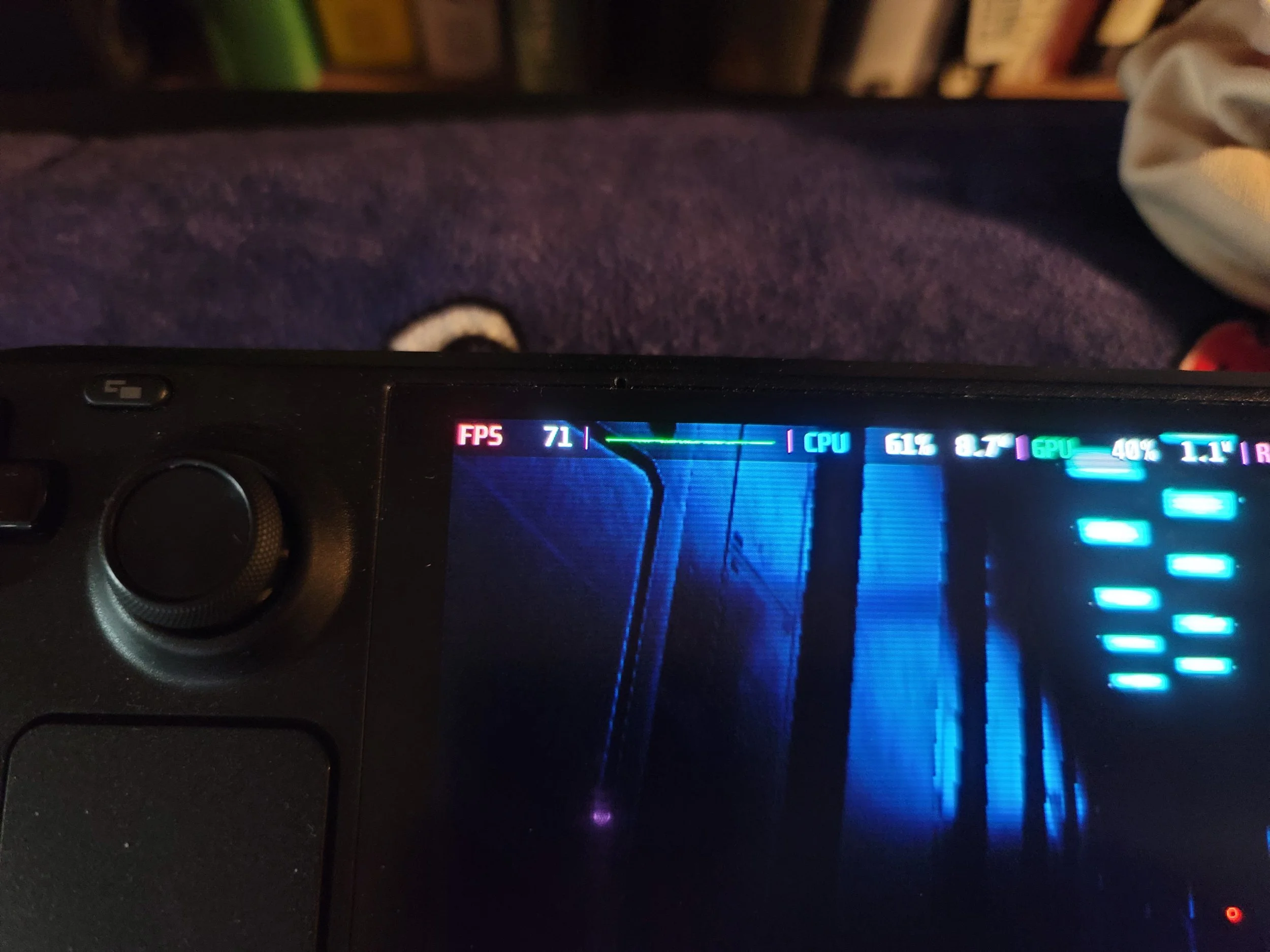
Additionally, I updated the project to use UE 5.8 which has some great lighting performance improvements for handheld devices. Currently while leveraging Lumen / SSGI, I’m able to get a very solid 40 fps on handheld. However, I’ve also implemented fallback lighting for players who want a smoother experience or are on lower end hardware.
For those who don’t know, fallback lighting is essentially a system wherein the dynamic lighting available with global illumination methods is replaced by lower fidelity lighting methods depending on the user’s graphics settings. This allows me to keep the subtle glow / colored emissive lighting intact even at lower graphical settings so that I don’t have to compromise the visual direction for those with weaker hardware. This was a major concern of mine and I’m happy with the end result.
I worked hard to ensure this system would be scalable and support future randomized level generation, and was relieved that the final solution is simple and lightweight. For reference, I’m able to 60 - 90 FPS on Steam Deck with those changes running. We’ll see how well it runs in a few months. I know that optimization is extremely important. But at the end of the day, 30 FPS on Steam Deck is my bare minimum. While supporting hardware lower-end than Steam Deck is high on my list, strong light and shadow behavior is important to support the type of gameplay I’m building towards (yes, light reactivity is in the game).
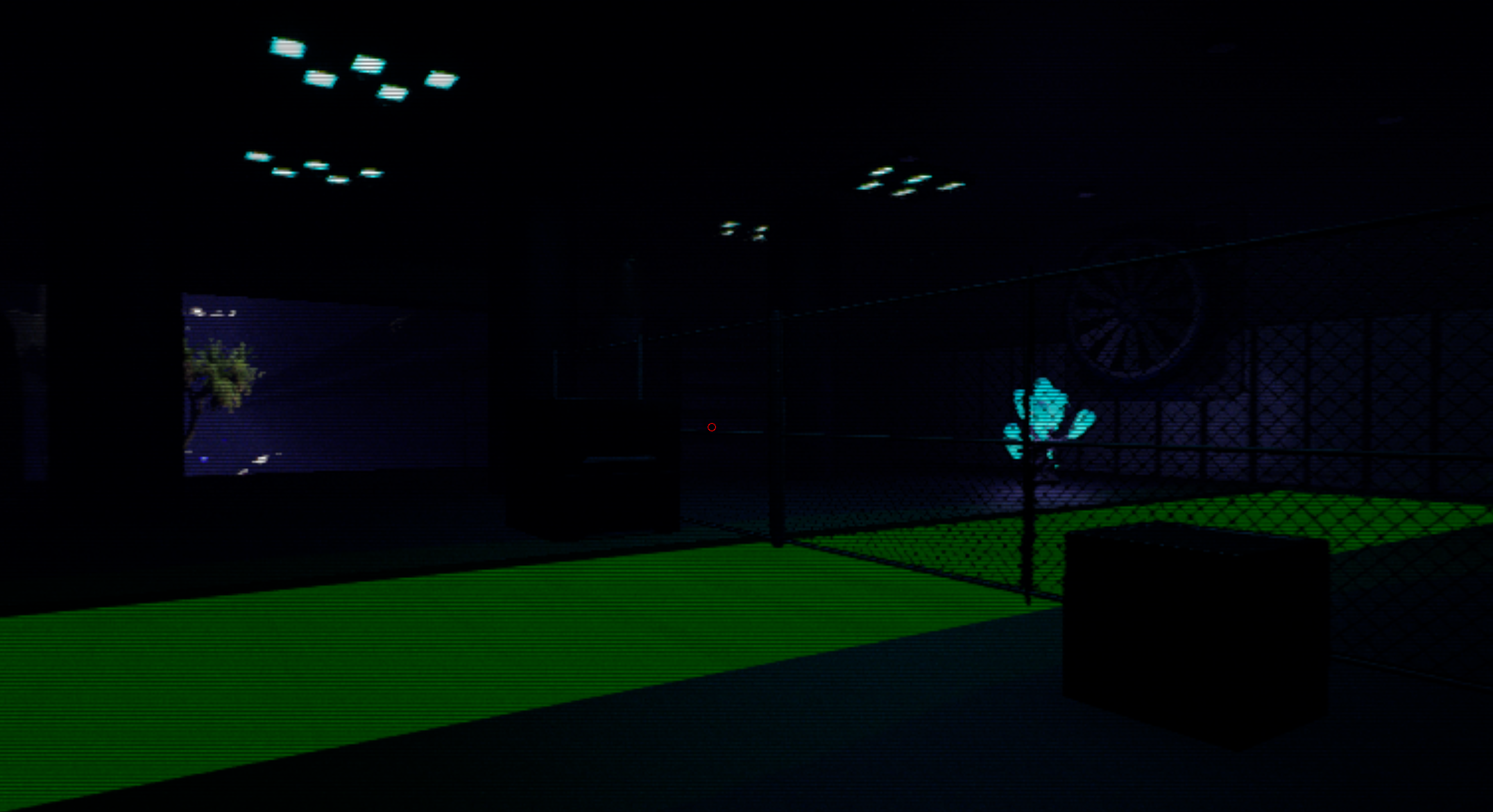
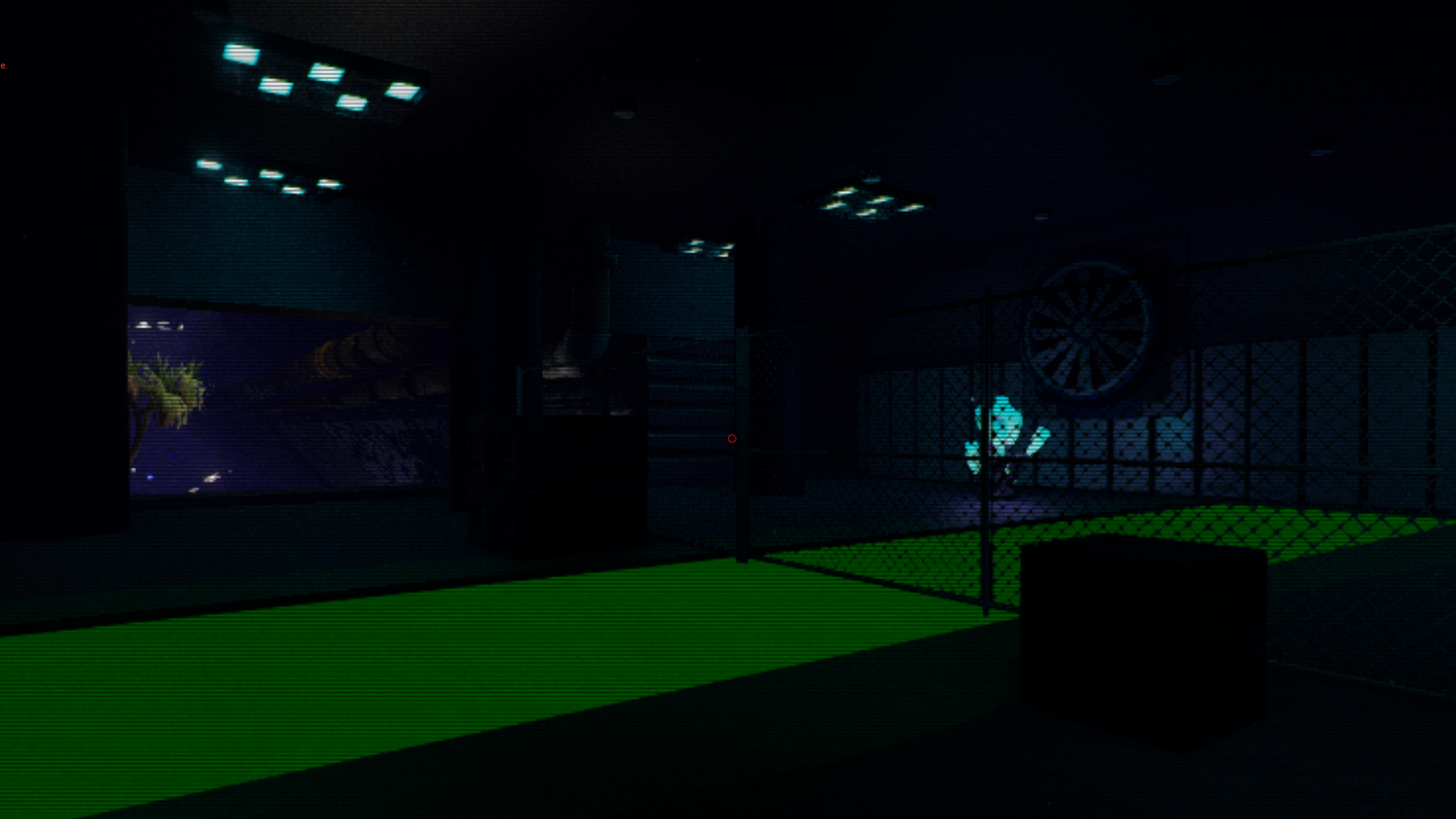
In the gameplay department, the first implementation of the City Security network is up and running, along side a maybe too-complex implementation of security door logic. Attacking City structures and entities will now cause the City to fabricate additional security resources, and attacking them while under surveillance will label the player as enemy of the city, causing said entities and structures to turn hostile to the player. Again, building this so that it’s a nice tidy solution for all future City entities was important and I’m now happy with the current solution. Every City-OS derived entity can have any special abilities or behavior triggered when they’re alarmed.
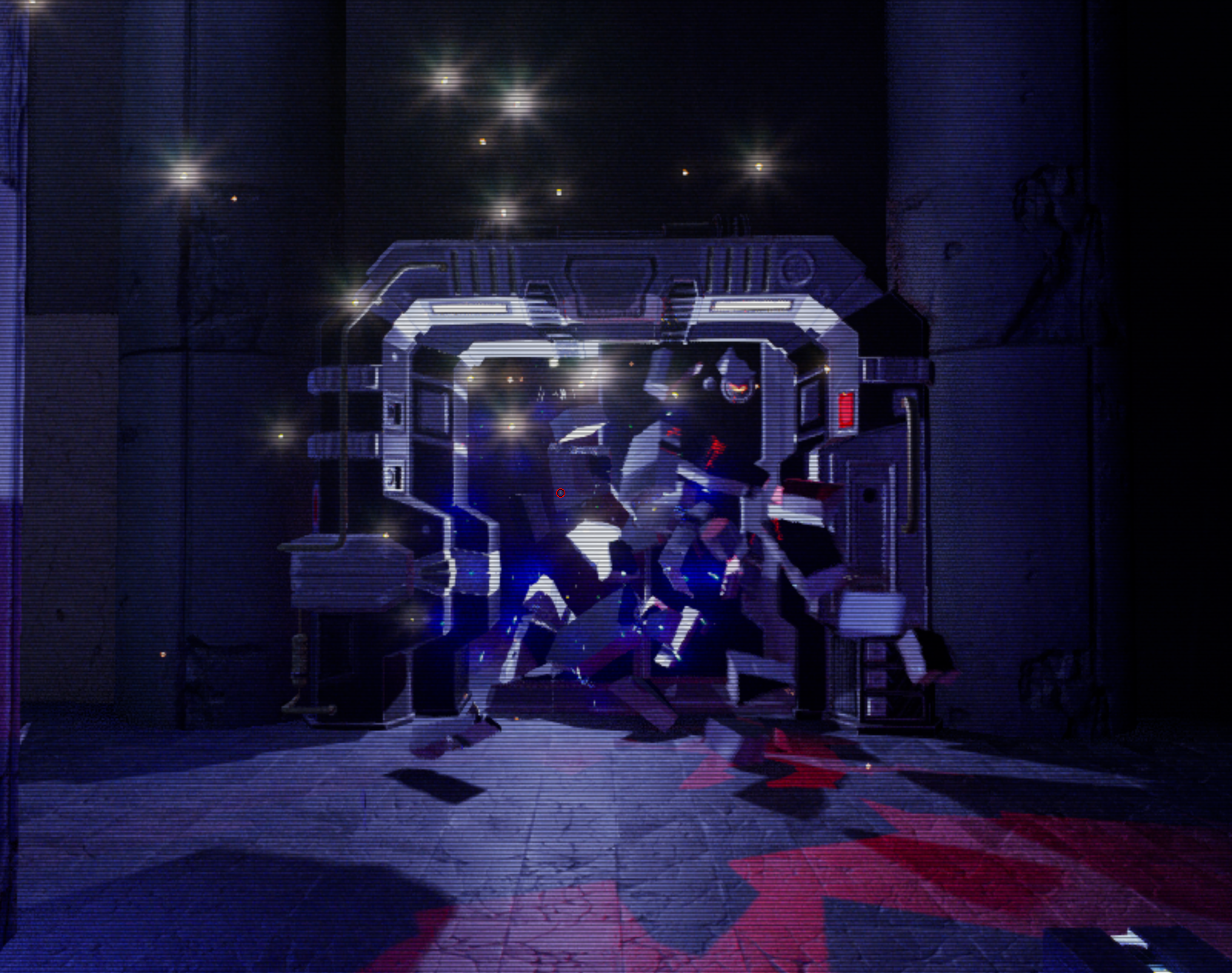
I also finalized the gameplay with the first iteration of security doors. For more context, security doors can be bypassed by a few methods. Destroy the door, gain authorization, or perhaps trick the system in other ways to pass through them. Security doors will often mark the exit of a level, and it will be up to the player to decide how to best bypass them. The door has a variety of malfunctioning, partially damaged, and destroyed states. The security door also features a security sensor, so you’ll need to take some care if you want to avoid hostilities. Maybe that means disabling the sensor?
Speaking of the sensor, the same code that runs the sensor will run the future security sensors (cameras) and turrets. This is something where the look of these devices is important, so I’ll be commissioning some models for these devices. I hope to get these in at launch of the pre-alpha playtest, but again, no promises. Want to work together? Hit me up at hhrriisstt@proton.me ∞ all work is paid and done by humans. INURBIS features a variety of 2D and 3D art created by myself, in addition to assets adopted and modified from free assets, and commissioned custom work. (I like doing 2D and 3D art, but I’m very slow at it.)
Thanks for reading,
HHRRIISSTT
